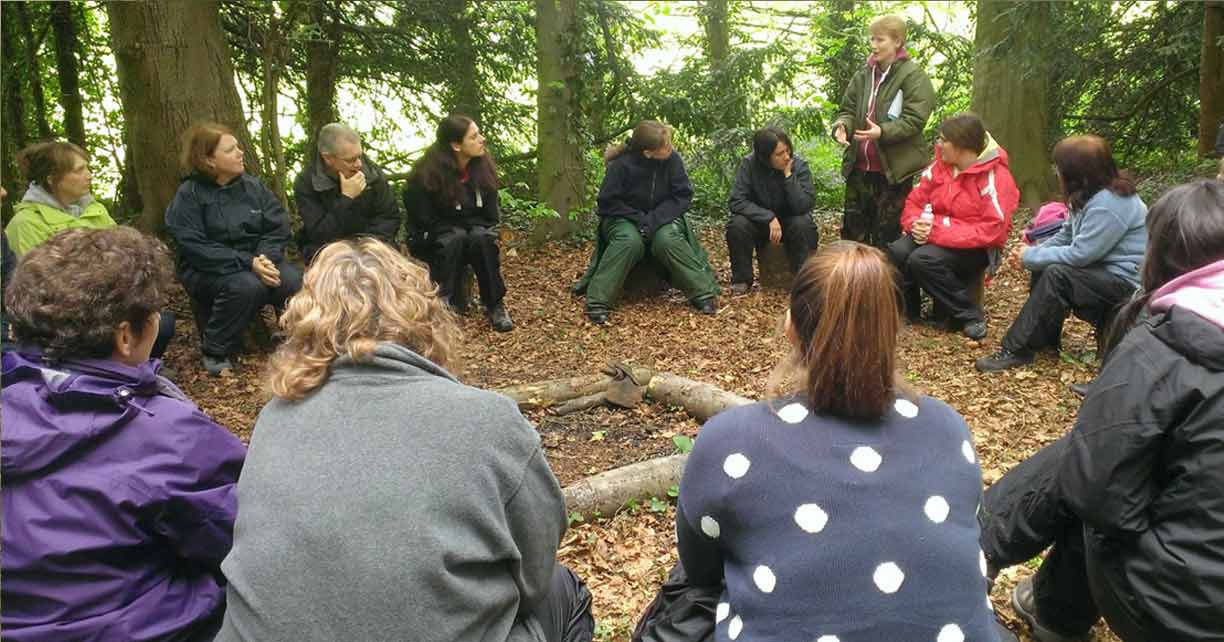

Discovering the Healing Power of Nature: A Guide for Schools and Educators
Updated: Jan 5

Nature offers more than just beauty and recreation. It provides a powerful source of healing that can improve mental, emotional, and physical well-being. Spending time outdoors, surrounded by natural environments, has been shown to reduce stress, boost mood, and even support recovery from illness. This post explores the therapeutic importance of nature and how it can be a valuable part of a healthy lifestyle.
How Nature Supports Mental Health
Many studies confirm that being in nature helps reduce anxiety and depression. Natural settings provide a break from the constant stimulation of urban life and digital screens. This break allows our brains to rest and reset.
Stress Reduction: Exposure to green spaces lowers cortisol levels, the hormone linked to stress. Even short walks in a park can calm the nervous system.
Improved Focus: Nature helps restore attention and concentration. This is especially helpful for those recovering from mental fatigue or facing attention difficulties.
Mood Enhancement: Natural light and fresh air increase serotonin production, which improves mood and promotes feelings of happiness.
For example, a 2019 study published in Scientific Reports found that participants who spent 90 minutes walking in a natural setting showed decreased activity in a brain region associated with rumination, a risk factor for depression.
Physical Health Benefits of Spending Time Outdoors
Nature’s healing effects extend beyond mental health. Physical health also improves with regular exposure to natural environments.
Boosted Immune System: Phytoncides, natural compounds released by trees, have been shown to increase natural killer cell activity, which helps fight infections.
Lower Blood Pressure: Time spent in green spaces can reduce blood pressure and heart rate, lowering the risk of cardiovascular disease.
Increased Physical Activity: Natural settings encourage movement, whether through walking, hiking, or gardening, which supports overall fitness and weight management.
A study from Japan demonstrated that forest bathing, or shinrin-yoku, led to significant improvements in immune function and reduced stress hormones among participants.
Nature as a Tool for Emotional Healing
Nature provides a safe space for emotional processing and healing. It encourages mindfulness and connection with the present moment, which can be grounding during difficult times.
Mindfulness and Meditation: Natural environments enhance mindfulness practices by reducing distractions and promoting calm.
Connection and Belonging: Being in nature fosters a sense of connection to something larger than ourselves, which can reduce feelings of loneliness.
Creative Inspiration: Many find that nature sparks creativity and helps them work through emotional challenges by offering new perspectives.
For example, therapeutic programs that include nature walks or gardening have been used successfully to support people recovering from trauma or addiction.
Practical Ways to Incorporate Nature into Daily Life
You don’t need to live in the countryside to benefit from nature’s healing power. Here are some simple ways to bring more nature into your routine:
Take daily walks in a nearby park or green space.
Spend time gardening or caring for houseplants.
Practice outdoor yoga or meditation.
Plan weekend hikes or visits to natural reserves.
Open windows to let in fresh air and natural light.
Use natural materials in your home decor to create a calming environment.
Even small changes can make a difference. For example, a 20-minute walk in a green area during lunch breaks can improve mood and reduce afternoon fatigue.
Nature Therapy and Professional Support
Nature therapy, also called ecotherapy, is an emerging field that integrates nature into mental health treatment. Therapists may use outdoor sessions, nature-based activities, or guided nature experiences to support healing.
Guided Nature Walks: Therapists lead clients through natural settings to encourage reflection and relaxation.
Horticultural Therapy: Gardening activities help improve mood, build skills, and foster social connection.
Animal-Assisted Therapy: Interaction with animals in natural environments supports emotional regulation and reduces stress.
These approaches complement traditional therapy and offer additional tools for managing mental health challenges.
Embracing Nature for a Healthier Future
As we explore the therapeutic benefits of nature, it becomes clear that integrating outdoor experiences into our lives can lead to profound improvements in our overall well-being. By fostering a connection with the natural world, we not only enhance our mental and physical health but also cultivate a sense of responsibility towards our environment.
Let’s take the initiative to encourage our communities to embrace nature. Together, we can create programs that promote outdoor learning and environmental stewardship. By doing so, we help children connect with nature, improve their mental health, and foster a sense of belonging.
In conclusion, the healing power of nature is immense. We invite everyone to step outside, breathe in the fresh air, and immerse themselves in the beauty that surrounds us. Let’s make nature a part of our daily lives and witness the positive changes it brings.
Remember, every small step counts!


Comments