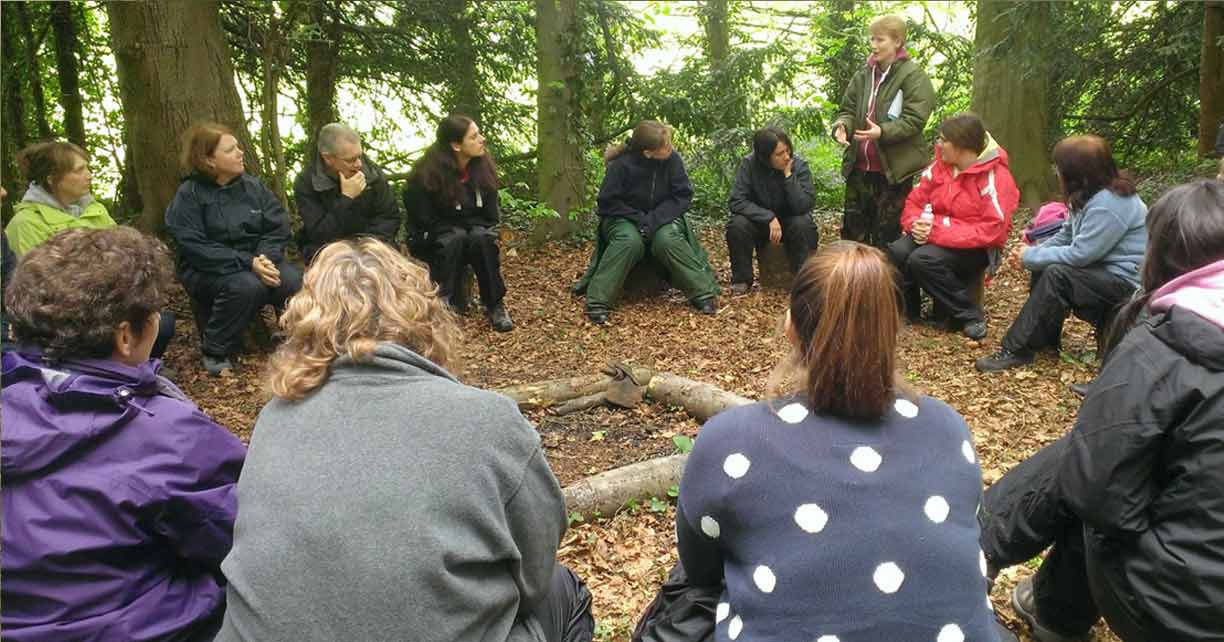

The Significance of Experiential Outdoor Learning
When was the last time we truly stepped outside the classroom and let nature be our teacher? Experiential outdoor learning offers us a unique chance to engage with the world beyond four walls. It’s not just about fresh air and open spaces; it’s about creating meaningful connections, sparking curiosity, and nurturing growth in ways traditional settings often cannot. Let’s explore why this approach is so vital and how we can embrace it fully.
Why Experiential Outdoor Learning Matters
Experiential outdoor learning is more than just a trend. It’s a powerful educational approach that immerses learners in real-world environments. This method encourages active participation, hands-on discovery, and reflection. When children explore nature, they develop critical thinking skills, creativity, and resilience.
For example, imagine a group of children identifying different tree species during a woodland walk. They are not only learning biology but also practising observation and teamwork. This kind of learning sticks with them far longer than textbook facts. It’s exciting to see how nature becomes a living classroom, offering endless lessons.
Moreover, outdoor learning supports mental health. Studies show that spending time outside reduces stress and improves mood. When we combine this with experiential learning, we create a holistic environment where children thrive emotionally and intellectually.

How Experiential Outdoor Learning Enhances Education
What makes experiential outdoor learning so effective? It’s the blend of sensory engagement and active involvement. Instead of passively receiving information, learners interact directly with their surroundings. This interaction deepens understanding and retention.
Here are some key benefits:
Improved engagement: Nature captivates attention and motivates learners.
Development of practical skills: From using tools to navigating terrain, children gain hands-on experience.
Encouragement of social skills: Group activities foster communication and cooperation.
Connection to the environment: Learners develop respect and care for nature.
To implement this, educators can design activities like scavenger hunts, nature journaling, or simple experiments outdoors. These experiences make learning tangible and fun.
Practical Steps to Integrate Outdoor Learning
How can schools and community groups bring experiential outdoor learning into their programmes? It’s easier than you might think! Here are some actionable recommendations:
Start small: Use your school grounds or local parks for initial activities.
Train staff: Ensure educators are confident in outdoor teaching methods.
Plan with purpose: Align outdoor activities with curriculum goals.
Involve families: Encourage children to share their outdoor experiences at home.
Use local resources: Partner with organisations like Forest Schools Birmingham CIC to access expert guidance and training.
By taking these steps, we create a supportive framework that makes outdoor learning accessible and sustainable.

Overcoming Challenges in Outdoor Learning
It’s natural to wonder about the obstacles. Weather, safety concerns, and limited resources can seem daunting. But with thoughtful planning, these challenges become manageable.
Weather: Dress for the conditions and have flexible plans.
Safety: Conduct risk assessments and establish clear rules.
Resources: Use natural materials and simple tools to keep costs low.
Remember, the benefits far outweigh the difficulties. When we prioritise outdoor learning, we invest in children’s well-being and future.
Building a Community Around Outdoor Learning
Creating a culture that values experiential outdoor learning requires collaboration. Schools, community groups, and families all play a role. Sharing successes and challenges helps build momentum.
We can celebrate achievements through events, newsletters, and social media. This visibility encourages more participation and support. Together, we can foster a generation that values nature and understands its importance.
By embracing outdoor learning experiences, we open doors to endless possibilities for growth and discovery.
Inspiring the Next Generation Through Nature
Let’s commit to making experiential outdoor learning a cornerstone of education in the Midlands. When children connect with nature, they gain more than knowledge - they develop empathy, confidence, and a sense of responsibility.
Imagine the impact when more schools and groups adopt this approach. We will see healthier, happier children who are ready to face the future with curiosity and care.
Let’s take that first step together. The outdoors is waiting to teach us all!


Comments