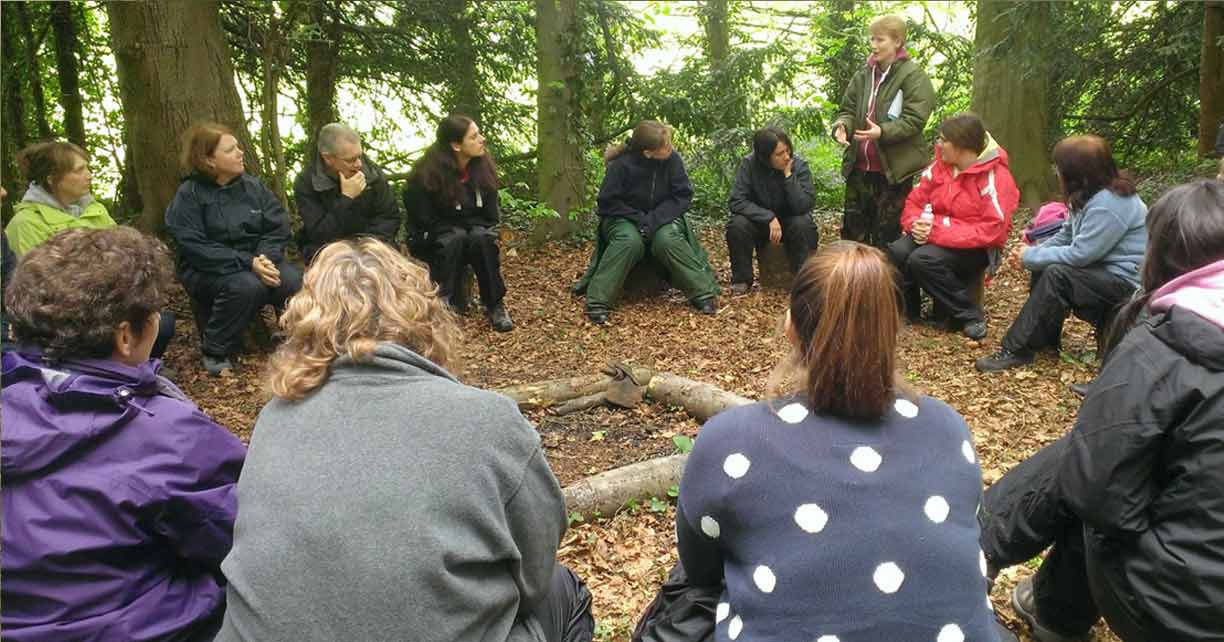

Discover the Principles of Forest School Education
Imagine a place where children learn by exploring, creating, and connecting deeply with the natural world around them. This is the heart of forest school education. It’s not just about being outside; it’s about fostering curiosity, resilience, and a lifelong love of learning through nature. How can we bring this transformative approach into our communities and schools? Let’s dive into the core principles that make forest school education so powerful and inspiring.
What Makes Forest School Education Unique?
Forest school education is a learner-centred approach that encourages children to take the lead in their own learning journey. Unlike traditional classroom settings, it thrives on freedom, exploration, and hands-on experiences. But what exactly sets it apart?
Child-led learning: Children choose activities that interest them, promoting independence and confidence.
Regular and repeated sessions: Learning happens over time, allowing children to build skills and deepen their understanding.
Connection with nature: The natural environment is the classroom, offering endless opportunities for discovery.
Holistic development: It nurtures emotional, social, physical, and cognitive growth.
Risk-taking and challenge: Children learn to assess and manage risks, building resilience and problem-solving skills.
By embracing these principles, we create a space where children feel safe to explore, make mistakes, and grow. This approach is especially valuable in today’s fast-paced, screen-heavy world, offering a refreshing balance and a chance to reconnect with the earth.
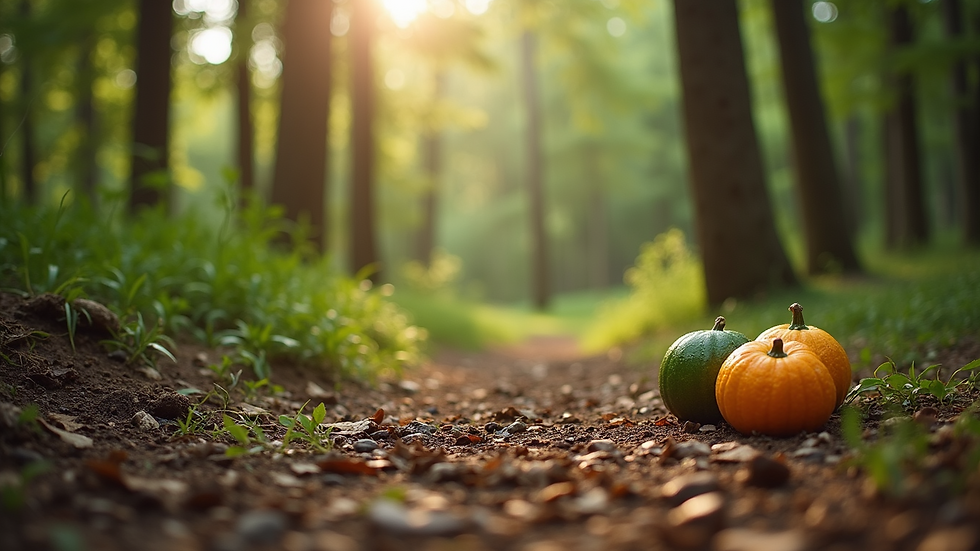
How Forest School Education Benefits Children and Communities
Why should we prioritise forest school education? The benefits extend far beyond the individual child. When children engage with nature regularly, their mental health improves, their creativity flourishes, and their social skills strengthen. Here are some key advantages:
Improved mental wellbeing: Time outdoors reduces stress and anxiety, promoting calmness and focus.
Enhanced physical health: Active play in natural settings supports fitness and motor skills.
Stronger social bonds: Collaborative tasks encourage teamwork, communication, and empathy.
Environmental stewardship: Children develop a sense of responsibility and care for the planet.
Increased motivation and engagement: Learning feels meaningful and exciting, boosting enthusiasm.
Communities also gain from forest school education. It fosters a culture of respect for nature and encourages intergenerational connections through shared outdoor experiences. Schools and community groups can become hubs of environmental awareness and wellbeing.

How to Implement Forest School Education in Your Setting
Ready to bring forest school education to your school or community group? Here’s a practical guide to get started:
Find a suitable outdoor space: This could be a woodland, park, or even a school garden. The key is a safe, natural environment with diverse features.
Train your team: Skilled facilitators understand how to guide child-led learning and manage risks effectively. Consider accredited training programmes.
Plan regular sessions: Consistency is crucial. Aim for weekly or fortnightly sessions to build familiarity and trust.
Equip with simple resources: Natural materials like sticks, stones, leaves, and ropes encourage creativity and exploration.
Engage parents and community: Share the benefits and invite families to participate or volunteer.
Reflect and adapt: Observe how children respond and be flexible to their interests and needs.
By following these steps, you can create a thriving forest school programme that enriches learning and wellbeing.
The Role of Educators in Forest School Education
Educators play a vital role in nurturing the forest school ethos. They are not traditional teachers but facilitators, observers, and supporters. How can educators best support this approach?
Listen and observe: Pay close attention to children’s interests and ideas.
Encourage independence: Allow children to take risks and solve problems on their own.
Create a safe environment: Balance freedom with clear boundaries and risk assessments.
Model respect for nature: Show care for the environment and teach sustainable practices.
Celebrate achievements: Recognise progress in all forms, from social skills to creative projects.
When educators embrace these roles, they empower children to become confident, curious learners who thrive both inside and outside the classroom.
Embracing the Future of Outdoor Learning
The future of education is evolving, and forest school education offers a compelling path forward. By integrating nature-based learning into our schools and communities, we can nurture healthier, happier, and more environmentally conscious generations.
Let’s champion this inspiring approach together. Whether you’re an educator, community leader, or simply passionate about children’s wellbeing, there’s a place for you in this movement. Explore how forest school education can transform learning experiences and help children flourish in the Midlands and beyond.
Together, we can create vibrant outdoor classrooms where every child feels valued, inspired, and connected to the world around them. Let’s get outside and make learning an adventure!


Comments