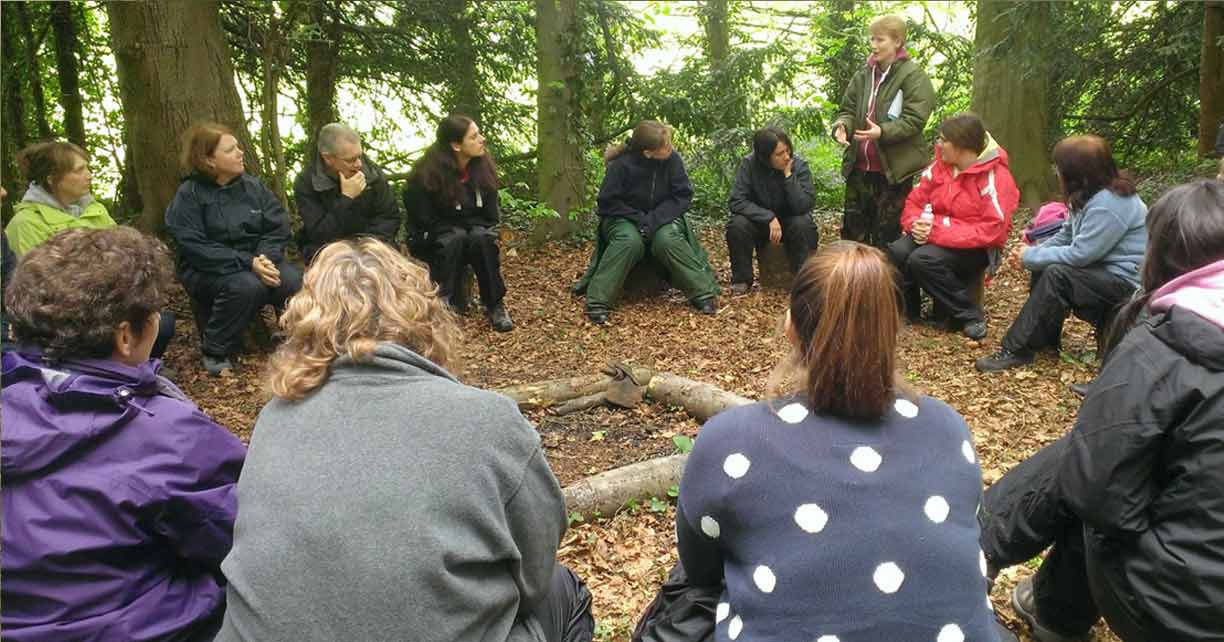

Exploring Community Engagement in Education
When we think about education, what comes to mind? Is it just classrooms, textbooks, and tests? Or is it something richer - a vibrant ecosystem where schools, families, and local communities come together to nurture young minds? We believe the latter. Education thrives when it is deeply connected to the community around it. This is why education community engagement is not just a buzzword but a vital approach to creating meaningful learning experiences.
Let’s explore how we can strengthen these connections, why they matter, and practical ways to bring community involvement into education. Together, we can create environments where children flourish, feel supported, and develop a lifelong love of learning.
Why Education Community Engagement Matters
Have you ever wondered why some schools seem to have a special spark? Often, it’s because they actively involve their local community. When schools, families, and community groups collaborate, children benefit in countless ways:
Improved academic outcomes: Students perform better when they feel supported both inside and outside the classroom.
Stronger social skills: Interaction with diverse community members helps children develop empathy and communication skills.
Increased motivation: Real-world connections make learning relevant and exciting.
Better mental health: A supportive community fosters a sense of belonging and reduces stress.
For example, Forest Schools Birmingham CIC has seen firsthand how outdoor learning programs that engage local families and community groups help children connect with nature and improve their wellbeing. This holistic approach nurtures not only academic skills but also emotional resilience.

By weaving community resources into education, we create a network of support that extends beyond the school gates. This is especially important in the Midlands, where diverse communities bring unique strengths and challenges.
Practical Ways to Foster Education Community Engagement
How can schools and community groups work together effectively? Here are some actionable strategies that have proven successful:
1. Invite Community Experts into the Classroom
Local professionals, artists, and environmentalists can offer workshops or talks that enrich the curriculum. For instance, a local gardener might teach children about plant life cycles, or a firefighter could explain safety practices.
2. Organise Community Events
Festivals, fairs, and open days encourage families and neighbours to participate in school life. These events build trust and create opportunities for informal learning.
3. Develop Outdoor Learning Spaces
Creating gardens, wildlife areas, or forest school sites on or near school grounds invites hands-on learning and community stewardship. Forest Schools Birmingham CIC specialises in this, helping schools design spaces that connect children with nature.
4. Establish Volunteer Programs
Encourage parents and community members to volunteer in classrooms, libraries, or extracurricular activities. Their involvement enriches the learning environment and strengthens relationships.
5. Collaborate with Local Organisations
Partnering with charities, youth clubs, and environmental groups can provide additional resources and expertise. These partnerships often lead to innovative projects that benefit everyone.
By implementing these steps, schools can create a vibrant learning community that supports every child’s growth.
The Role of Outdoor Learning in Community Engagement
Outdoor learning is a powerful tool for connecting education with the community. Why? Because it naturally brings people together in shared experiences outside traditional classrooms.
Imagine children exploring a local woodland, guided by trained Forest School practitioners. They learn about ecosystems, teamwork, and problem-solving in a setting that encourages curiosity and respect for nature. This approach aligns perfectly with the goals of Forest Schools Birmingham CIC, which aims to expand outdoor learning opportunities across the Midlands.
Outdoor learning also invites community participation. Parents, local volunteers, and environmental groups can join sessions, share knowledge, and help maintain natural spaces. This creates a sense of ownership and pride in the local environment.

Moreover, outdoor learning supports mental health by reducing stress and increasing physical activity. It fosters environmental stewardship, encouraging children to care for their surroundings long-term.
How We Can Support Education Community Engagement Together
We all have a role to play in strengthening education through community involvement. Here are some ways to get started or deepen your commitment:
Reach out to local groups: Identify organisations that share your values and explore partnership opportunities.
Attend training and workshops: Forest Schools Birmingham CIC offers training for educators and community leaders to develop skills in outdoor learning and engagement.
Create inclusive spaces: Ensure that all families and community members feel welcome and valued in school activities.
Share success stories: Celebrate and communicate the positive impact of community engagement to inspire others.
Advocate for resources: Support funding and policies that prioritise community involvement in education.
By working together, we can build a network of support that enriches learning and nurtures every child’s potential.
Embracing a Brighter Future for Education
We are excited about the possibilities that arise when education and community come together. The journey to stronger education community engagement is ongoing, but every step forward brings us closer to vibrant, inclusive, and inspiring learning environments.
Let’s continue to champion approaches that connect children with their communities and the natural world. Together, we can help more children in the Midlands thrive, develop resilience, and become passionate lifelong learners.
If you want to learn more about how to integrate community engagement into your educational practice, explore the resources and training offered by Forest Schools Birmingham CIC. They are leading the way in outdoor learning and community collaboration.
Let’s make education a shared adventure - one that uplifts every child and strengthens the bonds that hold us all together!


Comments