
Understanding the Concept of Forest Schools
Imagine a place where children learn by exploring the outdoors, where curiosity leads the way, and where every tree, leaf, and stone becomes a classroom. This is the heart of the forest school concept. It’s more than just education; it’s a journey into nature that nurtures confidence, creativity, and a deep connection with the environment. Let’s dive into what makes this approach so special and why it’s gaining momentum across the Midlands.
Exploring the Forest School Concept
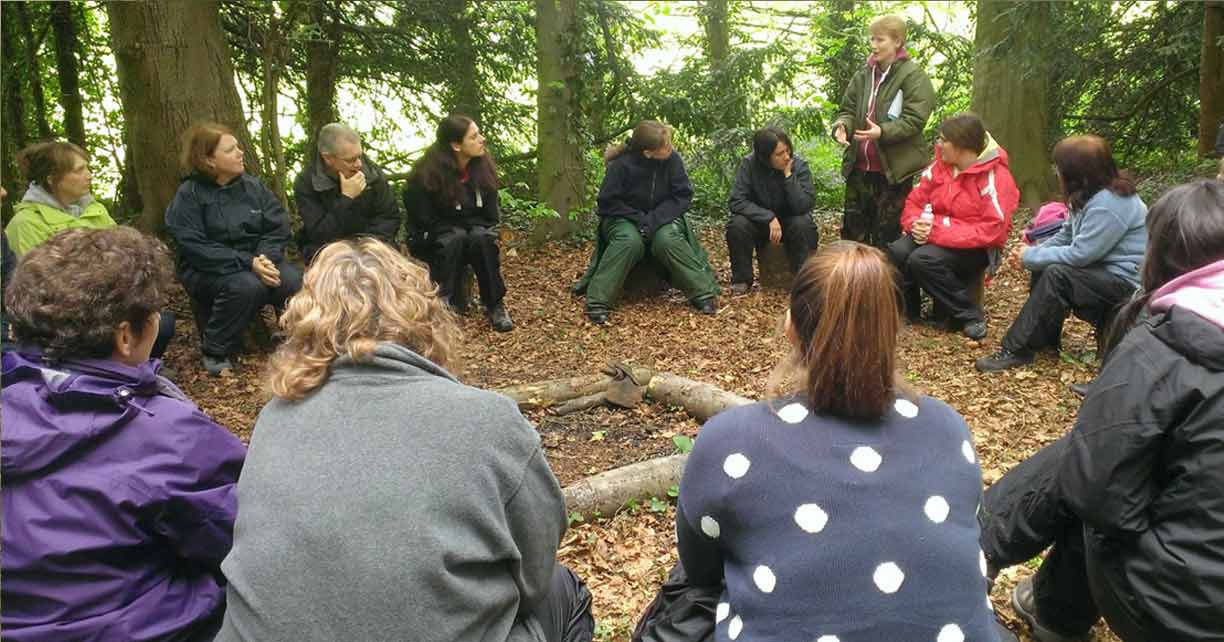
What exactly is the forest school concept? At its core, it’s an educational approach that takes learning outside the traditional classroom walls. Children spend regular sessions in natural settings, engaging with the environment through hands-on activities. This method encourages self-directed learning, teamwork, and problem-solving skills.
The beauty of this concept lies in its flexibility. Sessions can include anything from building shelters and identifying plants to storytelling and creative play. The natural world becomes a dynamic learning space where children develop physically, emotionally, and socially.
Why is this approach so effective? Because it taps into children’s innate curiosity and desire to explore. When we learn in nature, we engage all our senses, which helps information stick better. Plus, being outdoors reduces stress and boosts mood, making learning a joyful experience.

The Benefits of Outdoor Learning for Young Minds
Outdoor learning offers a wealth of benefits that go beyond traditional education. When children spend time in nature, they develop resilience and independence. They learn to assess risks safely and make decisions on their own. This builds confidence that carries over into other areas of life.
Social skills flourish too. Working together to build a den or solve a nature puzzle encourages communication and cooperation. Children learn to listen, share ideas, and support each other. These experiences foster empathy and respect for others.
Physical health improves as well. Running, climbing, and exploring strengthen muscles and coordination. Fresh air and natural light contribute to overall well-being. For many children, this active learning style is a welcome change from sitting at desks.
Moreover, connecting with nature nurtures environmental stewardship. When children understand and appreciate the natural world, they are more likely to protect it. This is a vital lesson for the future of our planet.
What is the difference between nature school and forest school?
You might wonder, how does a forest school differ from a nature school? While both focus on outdoor learning, there are subtle distinctions worth noting.
Nature schools often emphasize free play and exploration in natural settings without a structured curriculum. They provide a space for children to connect with nature at their own pace, often with minimal adult intervention.
In contrast, forest schools follow a more intentional approach. They have trained leaders who guide sessions with specific learning goals in mind. The activities are designed to develop skills such as problem-solving, teamwork, and self-confidence. The forest school concept also involves regular visits to the same outdoor site, allowing children to build a relationship with their environment over time.
Both models share a love for the outdoors, but forest schools offer a blend of child-led and adult-supported learning that can be especially beneficial for holistic development.

How to Implement the Forest School Concept in Your Community
Ready to bring the forest school concept to your local area? Here are some practical steps to get started:
Find a Suitable Outdoor Space
Look for a safe, accessible natural area such as a woodland, park, or community garden. The space should offer diverse features like trees, open areas, and natural materials.
Get Trained and Certified
It’s important to have leaders who understand the principles and safety aspects of outdoor learning. Consider enrolling in a recognised forest school training programme to gain the necessary skills.
Engage with Local Experts
Connect with organisations like Forest Schools Birmingham for guidance and support. They offer training and resources tailored to the Midlands region.
Plan Regular Sessions
Consistency is key. Schedule weekly or bi-weekly sessions to build familiarity and trust with the environment. This also helps children develop a routine and deepen their learning.
Involve the Community
Encourage parents, local schools, and community groups to participate. Hosting open days or workshops can raise awareness and foster a supportive network.
Focus on Safety and Inclusivity
Ensure all activities are risk-assessed and inclusive for children of different abilities. Adapt sessions to meet diverse needs and create a welcoming atmosphere.
By following these steps, you can create a thriving outdoor learning programme that benefits children and the wider community.
Inspiring Stories from the Midlands
Across the Midlands, many schools and community groups have embraced the forest school concept with wonderful results. For example, a primary school in Worcestershire transformed a small woodland area into a vibrant outdoor classroom. Children now spend time each week exploring nature, building dens, and learning about local wildlife. Teachers report improved concentration and enthusiasm for learning.
In Staffordshire, a community group runs weekend forest school sessions that bring families together. These gatherings foster a sense of belonging and encourage children to develop new skills in a supportive environment.
These stories highlight the power of outdoor learning to enrich lives and strengthen communities. They remind us that nature is a resource for education, health, and happiness.
Taking the Next Step Together
We believe that every child deserves the chance to experience the magic of learning in nature. By embracing the forest school concept, we can help children grow into confident, caring individuals who value the world around them.
If you’re inspired to explore this approach further, consider reaching out to local providers and training organisations. Together, we can build a network of outdoor learning opportunities across the Midlands, Worcestershire, Staffordshire, and Dudley.
Let’s nurture a generation that thrives in nature and leads with kindness and curiosity. The journey starts with a single step outside - and what a wonderful adventure it will be!


Comments